Spreading ‘ Love & Light’ by revealing the basic oneness of all
२२ फरवरी २०२०
वेदांत शिविर
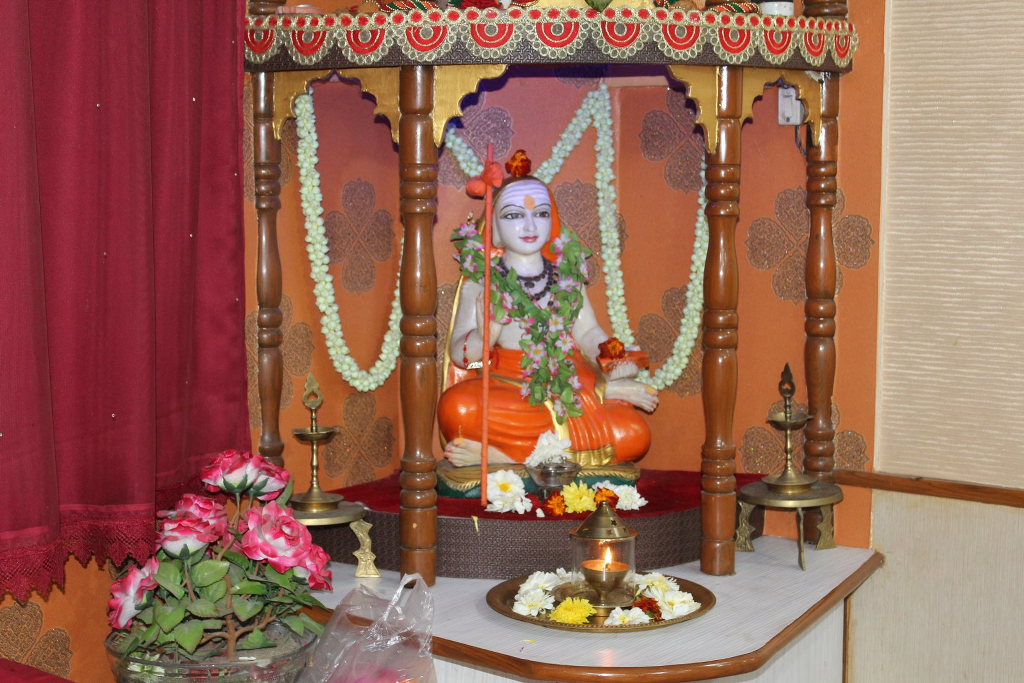
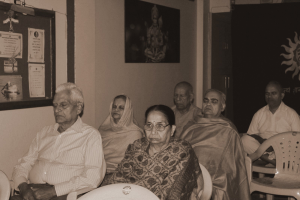
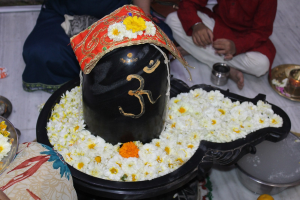
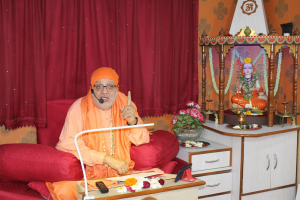
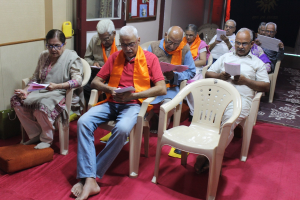
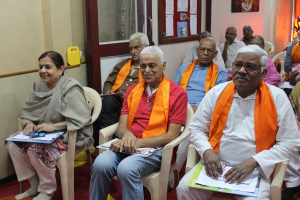
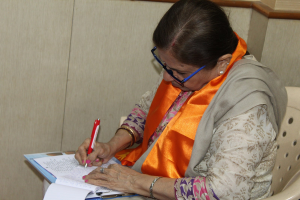
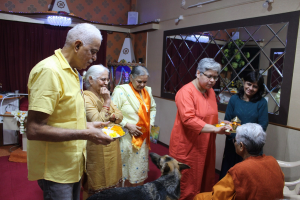
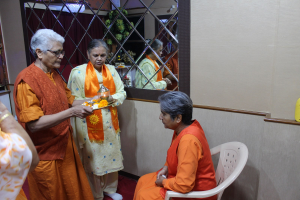
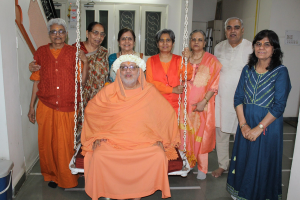
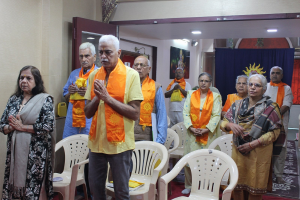
वेदांत आश्रम, इंदौर में दि. १६ से २१ फरवरी तक एक वेदांत शिविर का आयोजन किया गया। इस 'शिविर हेतु लख़नऊ, मुंबई तथा अन्य शहरों से शिविरार्थियों ने भाग लिया। सभी शिविरार्थियों का १५ फरवरी की शाम तक आगमन हुआ। शिविर कै विषय ईशावास्य उपनिषद्, गीता कै ७ वे अध्याय पर प्रवचन तथा शिव अपराध क्षमापन स्तोत्र का पाठ रहा। इसके आलावा प्रतिदिन प्रातः ध्यान तथा श्री गंगेश्वर महादेव का अभिषेक कराया जाता था।
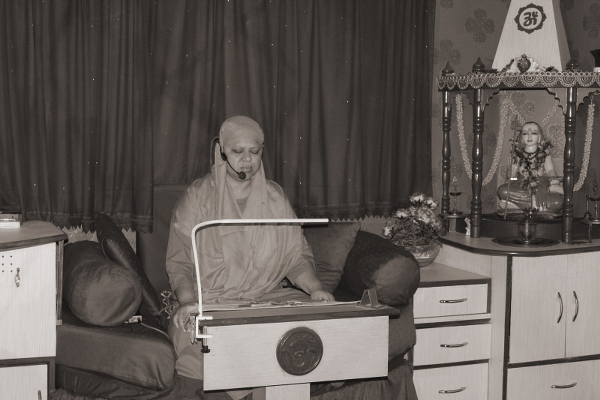
शिविर का शुभारम्भ १६ फरवरी के प्रातः ६ बजे से ध्यान की कक्षा से हुआ। दिन का आरम्भ स्वामिनी समतानंदजी द्वारा ध्यान की कक्षा से होता था। इसमें पू. स्वामिनीजी ने ईशावास्य उपनिषद् पर आधारित ध्यान करना सिखाया। ध्यान विषयक मार्गदर्शन प्राप्त कर सभी आत्मविश्वास और धन्यता से युक्त हुए।
इसके आलावा पू. स्वामिनीजी ने शिवपाराध क्षमापन स्तोत्र की chanting करनी सिखाई। इस सत्र में सब शिविरार्थी बालवत होकर पाठ करता था। इससे संस्कृत श्लोकों का स्पष्टता से उच्चारण करना सिखाया गया। इस वजह से संस्कृत पढ़ने और समझने का भय समाप्त होता हुआ दिखा।
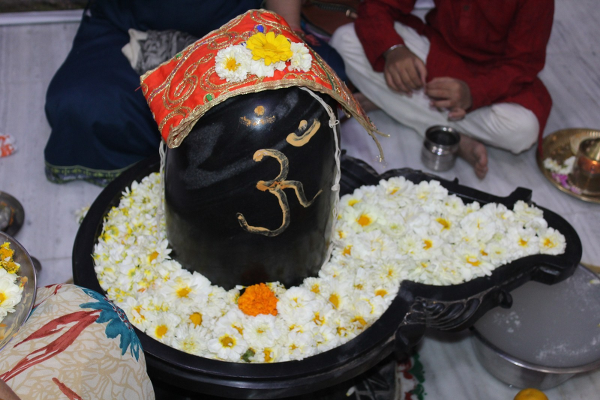
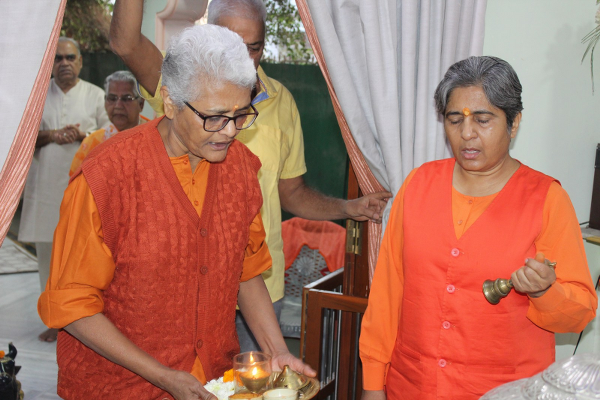
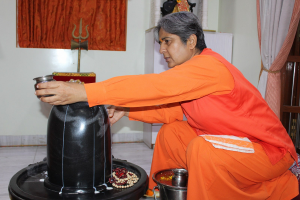
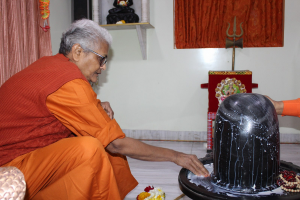
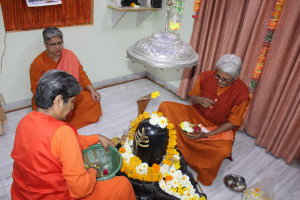
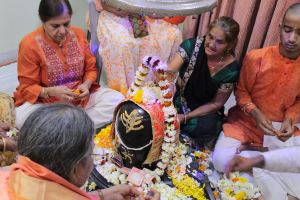
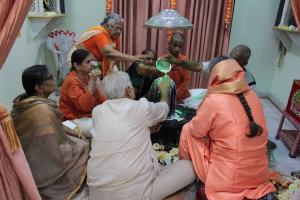
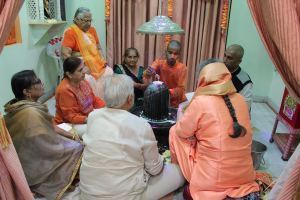
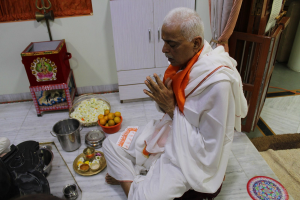
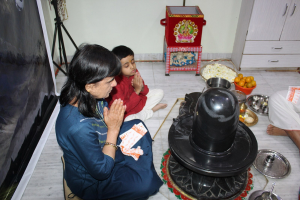
उसके पश्चात् स्वामिनी पूर्णानन्दजी द्वारा श्री गंगेश्वर महादेव का अभिषेक कराया जाता था। पू. स्वामिनीजी ने पूजा का महत्व, विधि तथा उसके पीछे भावना का समावेश को सुंदररूप से बताया।
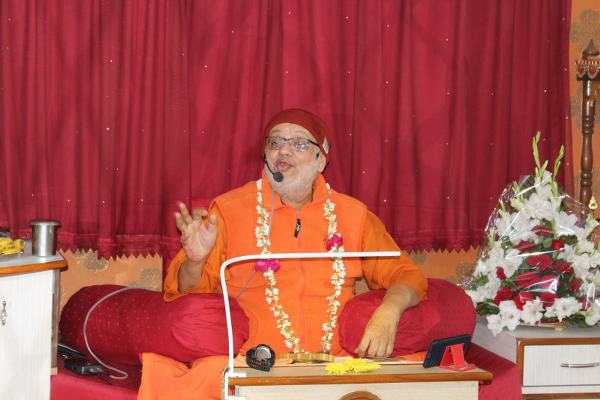
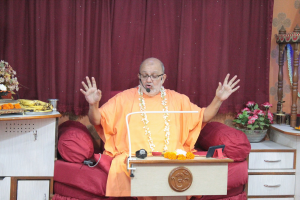
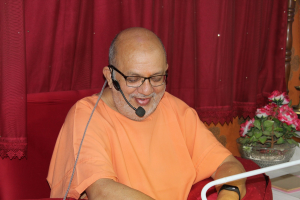
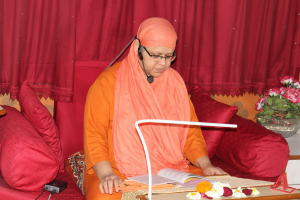
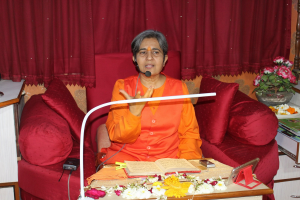
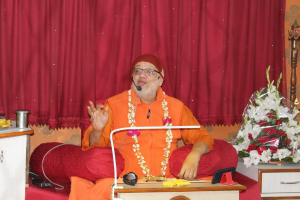
तत्पश्चात पूज्य गुरूजी द्वारा ईशावास्य उपनिषद् पर दो कक्षाएँ होती थी। ईशावास्योपनिषद शुक्ल यजुर्वेदीय है। इस उपनिषद् में एक holistic approach दिखाई देता है। उपनिषद् का प्रारम्भ सब कुछ ईश्वर के द्वारा ही व्याप्त है - इस सुंदर वेदान्तिक तथ्य के प्रतिपादन से होता है। मुक्ति तो ज्ञान से ही होती है, किन्तु ज्ञान का प्रसाद तो तब ही प्राप्त हो सकता है जब मन की पात्रता हो। उसके लिए ज्ञान में प्रवेश के पूर्व कर्म उपासना का समुच्चय परम अवश्य है। अत: कर्म और उपासना के रहस्यों का प्रतिपादन किया गया है। और अंततः मृत्यु के समय की बहुत ही दिव्य हृदयस्पर्शी प्रार्थना और दृष्टि प्रदान की गई। इसे श्रवण करके प्रत्येक शिविरार्थी लाभान्वित हुआ।
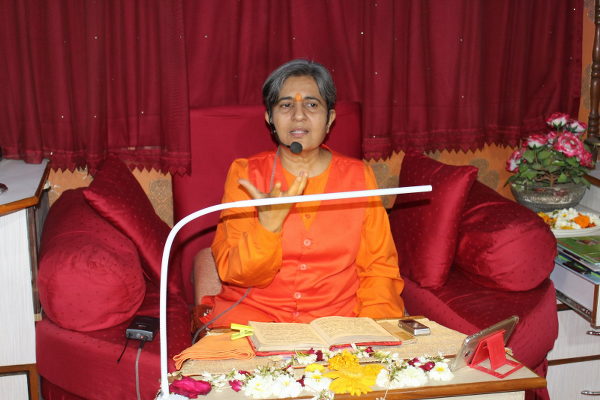
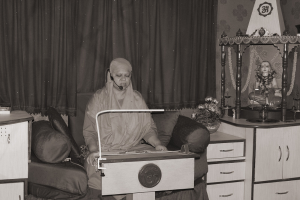
सायं के सत्र में पू. स्वामिनी अमितानंदजी के द्वारा गीता के सातवें अध्याय ज्ञान विज्ञान योग पर प्रवचन किये गए। ज्ञान अर्थात बौद्धिक समज तथा विज्ञान अर्थात इस समज को हृदयान्वित करते हुए इस ज्ञान को अपना बनाना। ज्ञान से विज्ञान की यात्रा में व्यवधान अपने बारे में, दृश्य जगत के बारे में मोह का होना है। अतः उसके रहस्य का ज्ञान तथा स्वरुप को समजने के लिए भगवान ने अपनी परा और अपरा प्रकृति का परिचय दिया कि इन्हीं प्रकृति के माध्यम से इस जड़ - चेतन जगत रचना करते हैं। हम ही उन सब को अनेकों मणियों में के सूत्र की तरह व्याप्त करते हैं। इस विज्ञानं की सिद्धि के लिए मोह के स्वरुप को बता कर उससे मुक्ति का तरीका भगवान ने बताया।
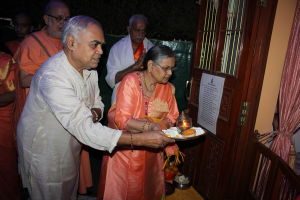
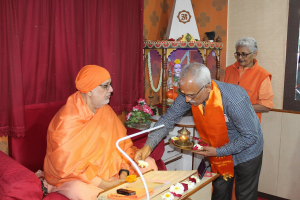
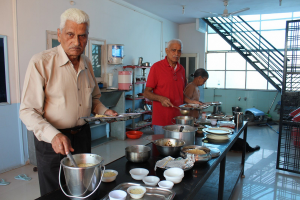
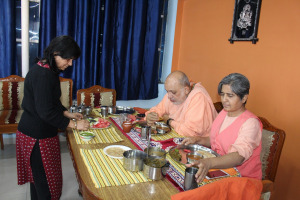
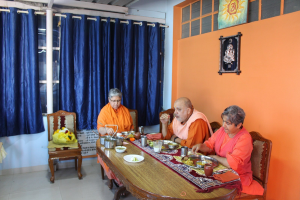
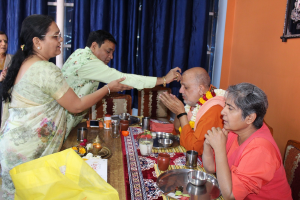
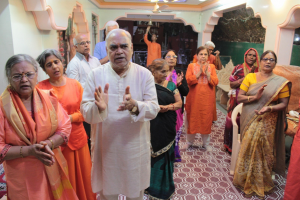
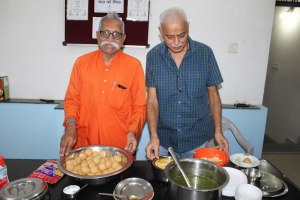
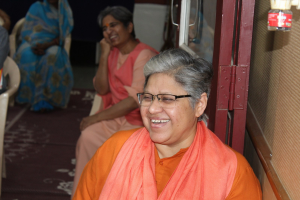
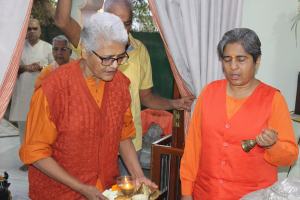
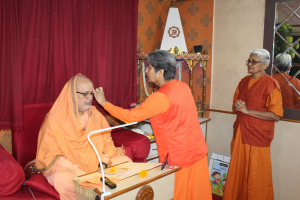
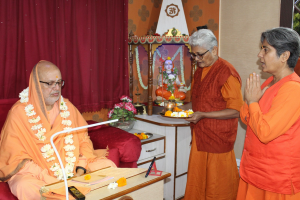
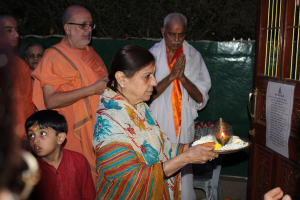
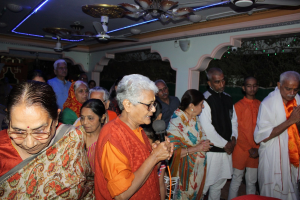
सायं श्री गंगेश्वर महादेव की आरती के पश्चात् रात्रि भोजन होता था। दिन का समापन सुन्दर भजन प्रस्तुति, स्तोत्रपाठ तथा प्रश्नोत्तर के कार्यक्रम से होता था। प्रत्येक शिविरार्थी सभी कार्यक्रमों में बहुत उत्साह के साथ सम्मिलित होता था। २१ फरवरी को महाशिवरात्रि के दिन प्रातः समापन का कार्यक्रम रहा। इसमें प्रत्येक शिविरार्थी ने धन्यता के साथ अपने शिविर के अनुभवों को प्रस्तुत कियें। अंत में व्यास पीठ की पूजा के साथ गुरु दक्षिणा का कार्यक्रम संपन्न हुआ।
महाशिवरात्रि पर्व
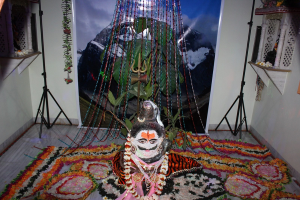
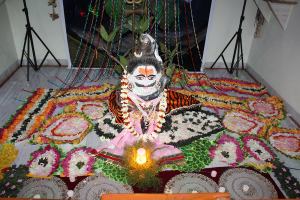
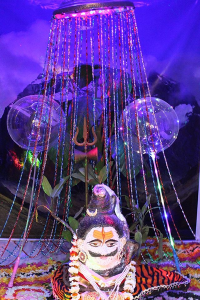
महाशिवरात्रि का दिन स्वामिनी अमितानंदजी और स्वामिनी पूर्णानन्दजी के संन्यासदीक्षा का दिन होता है। अतः प्रथम पूजा तथा अभिषेक उनके द्वारा किया गया। शिविर समापन तथा गुरुदक्षिणा के कार्यक्रम के उपरांत अन्य पहरों की श्री गंगेश्वर महादेव की पूजा तथा रुद्राभिषेक शिविरार्थियों द्वारा सामूहिक रूप से की गई। गंगेश्वर महादेव की सुन्दर झाँकी सजाई गई। महादेवजी के दर्शन हेतु देर रात तक भक्तों का ताँता बना रहा। कई साधकों ने पूरी रात जगकर जप और ध्यान की साधना की। धन्यता और भक्तिसभर वातावरण में २२ फरवरी को शिविरार्थियों ने प्रस्थान किया।
Open chat
Hari Om! Please drop a query here. Contact for Online Vedanta & Gita Classes. Join Residential Meditation Camp in 2026 from 26th to 29th July; Celebrate Guru Poornima @ Vedanta Ashram